Yes. So, talking about parks, Michael, what is different is compared to the last time we had a slowdown in the economy for managing our parks business, we have more commercial tools and levers available to us. One of the ones that's quite obvious is discounting. That's something that we have used in the past, and we will continue to use it because it is an effective lever for managing your yield, but we are not going to use it to the extent to which we used it during the last recession. Some of the other things that are new would be the reservation system. So, we manage attendance now. We can track it real time. On many days, we are fully booked now, but we can adjust that and be very flexible and real time on adjusting it if we so choose. The other thing is we have a tiered pricing structure that gives us a lot of flexibility. And we also have re-imagined our annual pass business model, and we could also have some more flexibility in using our annual pass program. We also have technology advancements, and this is more on the expense side. That provides us opportunities for cost flexibility. So, we have things like mobile ordering, contactless check-in, so those kinds of things give us levers on the expense side. But we do feel that we have, once again, harkening back to the opportunity we took during the pandemic. We did permanently remove a significant amount of operating expense at the parks, and that better positions us right now as we go into an uncertain economic environment.
Disney Shares Contingency Plan For Parks Slowdown Due To Upcoming Recession
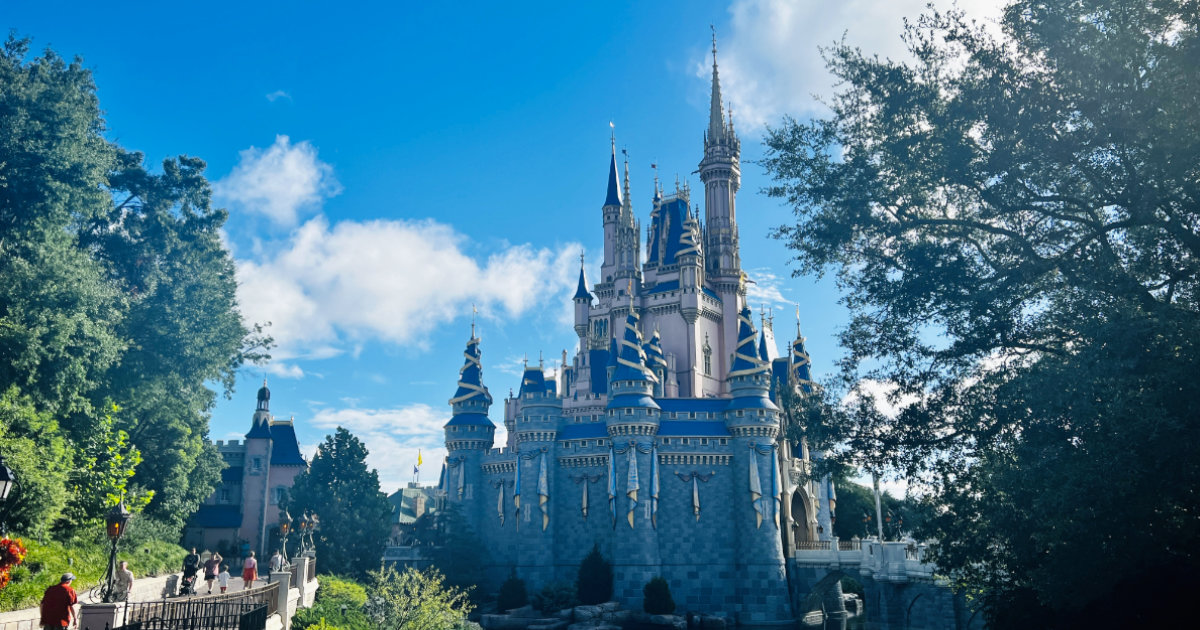
Image: © Mickey From The UK

Join the FREE Mickey From The UK Email Club
Click Here To Join The FREE Mickey From The UK Email ClubYou may not see all our content on social media - signing up to our Email Club means you won't miss out.

See more from Mickey From The UK in Google Search
Click Here To Add Us As A Preferred Source On GoogleAdding us as a preferred source means you'll see more of our news, guides, and reviews when you search.

About The Author
Ash Hales is a British Disney Parks writer and the voice behind Mickey From The UK. Based in the South West of England, he's been visiting Disney Parks for nearly three decades and launched Mickey From The UK in 2017 to provide honest, straight-talking news and advice for UK guests - without the American bias.
Ash Hales is a British Disney Parks writer and the voice behind Mickey From The UK. Based in the South West of England, he's been visiting Disney Parks for nearly three decades and launched Mickey From The UK in 2017 to provide honest, straight-talking news and advice for UK guests - without the American bias.