Disneyland Paris has cut emissions from its direct operations by 16% between 2019 and 2025, and reduced drinking water use by 15% since 2012, according to new figures tracking its progress towards 2030 environmental targets. The update covers emissions, water, waste, construction and biodiversity, with numbers ranging from geothermal heating to 31 tonnes of old costumes turned into insulation.
Article Summary
- Emissions: Down 16% from direct operations between 2019 and 2025 (Scopes 1 and 2 only).
- Water: Drinking water use down 15% between 2012 and 2025, with an on-site treatment plant saving over 300,000m³ a year.
- Waste: 31 metric tonnes of costumes turned into insulating felt in 2024-2025.
- Construction: Two backstage buildings are BREEAM certified and Rapunzel Tangled Spin recovers 7% of its energy through braking.
Find the cheapest Disneyland Paris dates
See Disneyland Paris packages with transport
Read on for how the geothermal and solar set-up works, where the water savings come from, what happens to old costumes and how to get there from the UK by train.
How Much Has Disneyland Paris Cut Its Emissions?
Disneyland Paris says emissions from its direct operations fell by 16% between 2019 and 2025. That figure covers Scopes 1 and 2, which is the fuel Disney burns itself plus the energy it buys in. It doesn't include the planes, trains and cars that guests use to get there.
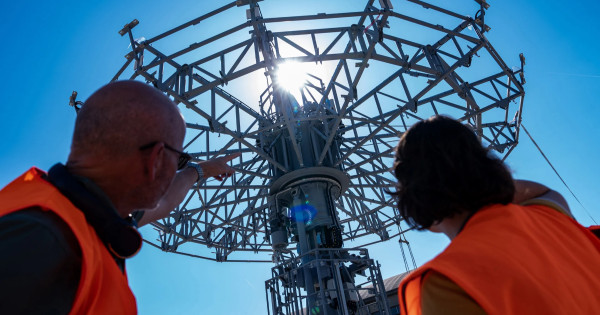
A big chunk of the work happens underground. Geothermal energy has been in use since 2017 and now supplies 18% of the heating and hot water each year for both Disney Parks and the Disneyland Hotel. Above ground, the main guest car park is covered by a solar canopy plant that Disney says is one of the largest in Europe. A thermo-refrigerating pump has also been installed more recently.
See Disneyland Paris packages with transport included
How Is Disneyland Paris Saving Water?
Drinking water use dropped by 15% between 2012 and 2025. The largest single contributor is a wastewater treatment plant tucked away backstage, which opened in 2013 and saves more than 300,000m³ of drinking water every year. That's 300 million litres, or roughly 120 Olympic swimming pools' worth, every single year.
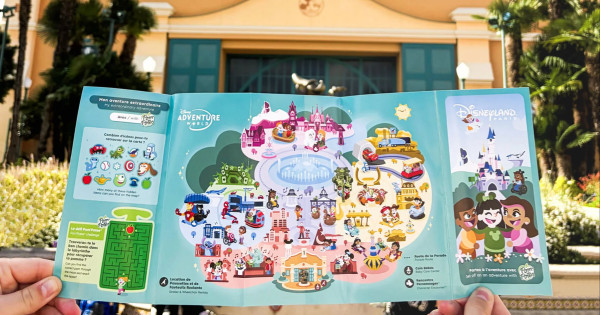
Newer flushing systems in the park toilets saved a further 210,000m³ between 2023 and 2025. Disney Adventure Bay is filled with rainwater rather than mains supply, and the flower beds in both parks have sensors fitted so the irrigation only runs when the soil needs it.
What Happens To Old Disneyland Paris Costumes?
Cast Member uniforms don't last forever, and in 2024-2025 Disneyland Paris collected 31 metric tonnes of worn operational costumes (31,000kg) and turned them into insulating felt. So somewhere out there is a wall being kept warm by a retired Main Street waistcoat.
Disney says it's also cutting consumer packaging and limiting food waste across its buffets and restaurants.
Find the cheapest dates for your Disneyland Paris trip
Greener Buildings And Rides At Disneyland Paris
With so much construction going on, Disney says environmental design has been built into its newer projects. Two backstage buildings completed recently have achieved BREEAM certification, a scheme that assesses buildings on things like energy efficiency, water use, emissions, air quality and materials.
The more visible example is Rapunzel Tangled Spin. Its ride vehicles use an energy recovery braking system, much like a hybrid car, which generates enough power to cover 7% of the attraction's energy use.
How Disneyland Paris Manages Its Green Spaces
Disney uses eco-grazing (letting animals keep the grass down instead of mowers) along with differentiated green space management, which means busy guest areas get tended closely while quieter spots are left wilder. Wildflower meadows and heritage orchards have also been planted around the site.
Check the latest Disneyland Paris package prices

Join the FREE Mickey From The UK Email Club
Click Here To Join The FREE Mickey From The UK Email ClubYou may not see all our content on social media - signing up to our Email Club means you won't miss out.

See more from Mickey From The UK in Google Search
Click Here To Add Us As A Preferred Source On GoogleAdding us as a preferred source means you'll see more of our news, guides, and reviews when you search.
Disneyland Paris Sustainability: Your Questions Answered
How much has Disneyland Paris cut its emissions?
Disneyland Paris cut emissions from its direct operations by 16% between 2019 and 2025. This covers Scopes 1 and 2, not guest travel.
Does Disneyland Paris use geothermal energy?
Yes. Geothermal energy has been used since 2017 and supplies 18% of the heating and hot water needs for both Disney Parks and the Disneyland Hotel each year.
How much water does Disneyland Paris save?
Its own wastewater treatment plant saves more than 300,000m³ of drinking water every year, and overall drinking water use fell by 15% between 2012 and 2025.
What does Disneyland Paris do with old costumes?
In 2024-2025, 31 metric tonnes of operational costumes were collected and turned into insulating felt.
Is there a direct Eurostar to Disneyland Paris?
No. You take Eurostar from London St Pancras to Lille Europe, then a connecting TGV to Marne-la-Vallée-Chessy.